To decorate with handmade ceramics, choose a few pieces with real presence and group them in odd numbers, mixing heights and textures. Put them where they'll be seen and used: vases on the coffee table or sideboard, bowls and plates on open kitchen shelving and a wall piece or two in the hallway. Handmade ceramics bring warmth because every piece is unique.
They work in any style, but really shine alongside natural wood and fibres. To complete the look, our decorative objects include vases, planters and candle holders that pair well with them. Here's what handmade ceramics are, how to recognise them and how to use them in every room.
What are handmade ceramics?
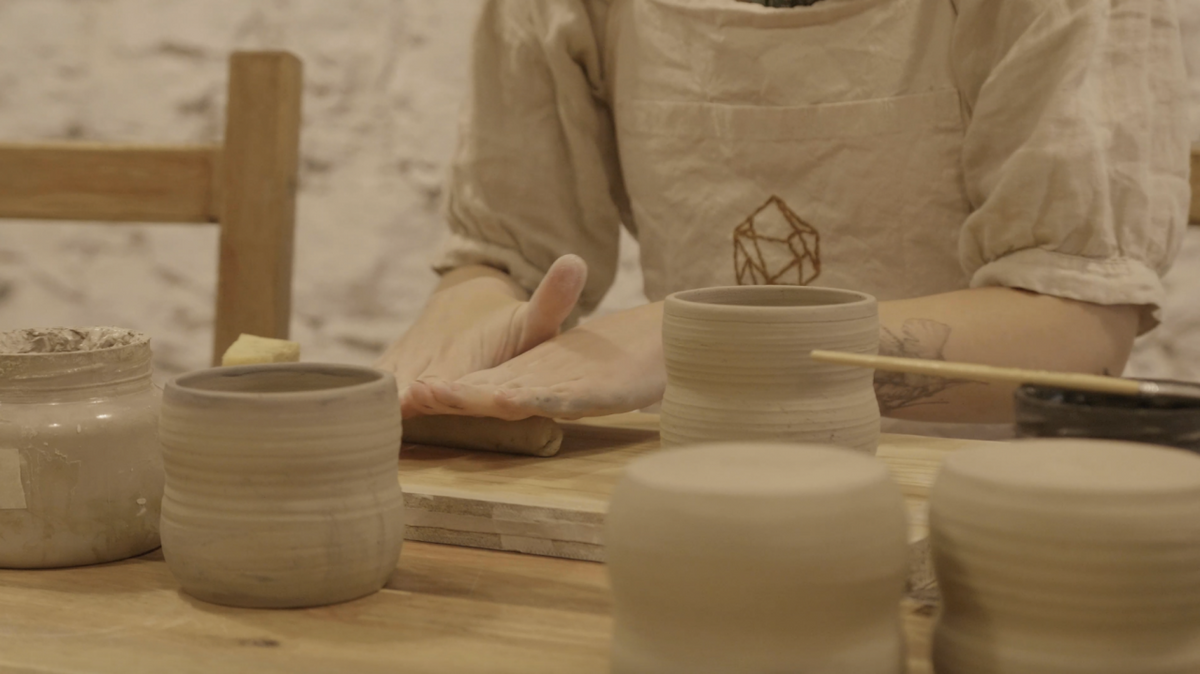
They are pieces shaped by hand or on a wheel, one at a time, in a workshop. The clay is worked, dried, fired in a kiln and, depending on the finish, glazed or left natural. Small irregularities in shape, thickness or colour are not defects: they are the mark of the hands that made them.
The most common types of ceramics
| Type |
What it's like |
Typical use |
| Terracotta |
Reddish clay fired at a low temperature, porous |
Plant pots, vases, rustic pieces |
| Earthenware |
Finer, usually glazed |
Tableware and decorative objects |
| Stoneware |
Fired at a high temperature, durable and low porosity |
Everyday tableware, bowls, mugs |
| Porcelain |
Very fine and white, high-fired |
Delicate tableware and fine pieces |
Bare ceramics
More and more ceramicists are leaving clay unglazed, or glazed only on the inside, to show off its natural colour and texture. These are matte, tactile and highly decorative pieces that fit especially well into warm, minimalist interiors.
How to decorate with ceramics in every room
Living room
A large vase on the floor next to the sofa, or three pieces of different heights on the coffee table or sideboard. Use dried branches, wheat stems or a single flower so the piece remains the star.
Kitchen
Plates, bowls and mugs on open shelving or a wall-mounted plate rack turn your tableware into decoration. Group them by colour or type so the whole thing looks tidy. Clay oil cruets, jars and mortars are both practical and decorative too.

Alexia plate rack
Table
Mixing plates from different handmade sets (same tones, different shapes) gives the table a warm, relaxed feel. A centrepiece with a low vase and a few candles completes the look.
Bathroom
Glazed ceramic soap dishes, tumblers and trays replace plastic accessories and cope well with humidity. A pot with a plant that tolerates low light rounds off the space.
Walls
Hanging plates, hand-painted tiles or a wall vase with some dried flowers make an original alternative to pictures, especially in kitchens, dining rooms and hallways.

Koen wall vase
Plants
Unglazed clay pots breathe and help keep the soil from getting waterlogged. Group several of different sizes in a bright corner or on a stool.

Nico planter
How to care for handmade ceramics
-
Washing: by hand, with lukewarm water and mild soap, unless the ceramicist states that it is dishwasher-safe.
-
Temperature changes: avoid moving a piece straight from the fridge to the oven or pouring boiling water into a cold piece.
-
Unglazed pieces: they absorb liquids and grease; keep them for decorative use or for dry foods.
-
Storage: don't stack too many pieces and separate plates with a cloth so they don't get scratched.
If you like pairing ceramics with open furniture, take a look at our guide to decorating and organising a display cabinet and the keys to warm minimalism. To show off your pieces, open wooden shelving units are the best showcase.
Frequently asked questions
How can you tell if a ceramic piece is handmade?
By the small irregularities in shape, thickness and glaze, the marks left by the wheel or fingers and, often, the workshop's signature or stamp on the base. Two matching pieces are never identical.
What's the difference between stoneware and terracotta?
Terracotta is fired at a low temperature and is porous and reddish; stoneware is fired at a high temperature, is more durable and barely absorbs water, which is why it's used more for tableware.
Can handmade ceramics go in the dishwasher?
It depends on the piece and the glaze. Unless the ceramicist says otherwise, the safest option is to wash it by hand with mild soap.
How do you combine several ceramic pieces?
Group them in odd numbers, mix heights and shapes and stick to a palette of two or three tones. That way the arrangement looks harmonious even if the pieces are different.
Where do decorative ceramics look best?
On the coffee table, the sideboard, open shelving in the living room and kitchen and the dining table. Also on the wall, as an alternative to pictures.


 and how does it work?



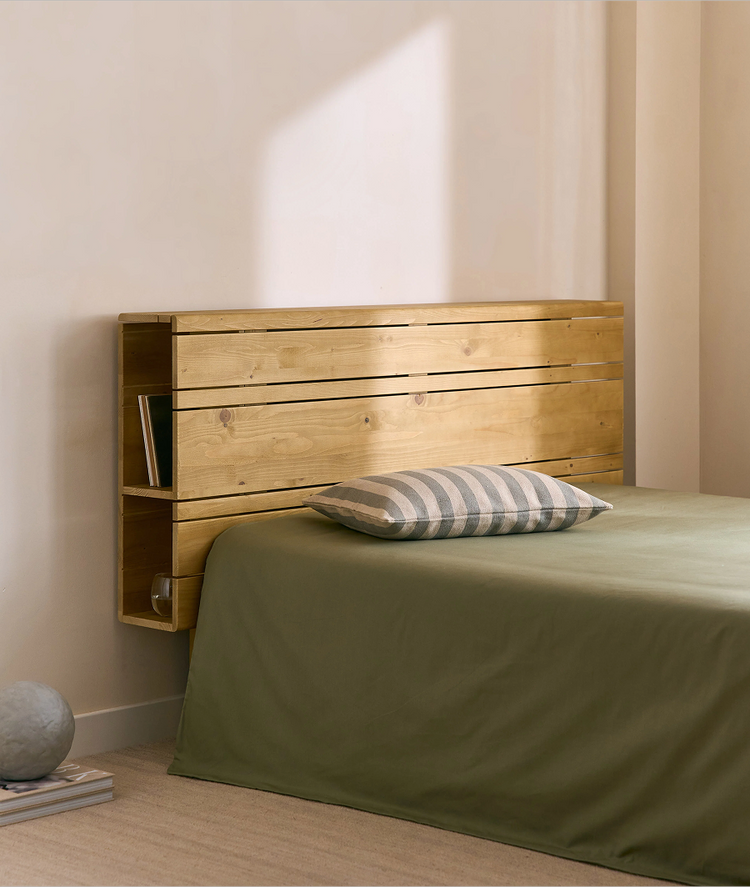
Igor storage headboard
Integrated bookshelf, beds 90, 135, 150, and 180 cm179,90 €Sale price From 159,90 €Deldel Storage Bed
Solid pine wood. For beds of 135, 150, and 180 cm949,00 €Sale price From 899,00 €Kora dining table
160 / 180 / 200 cm899,00 €Sale price From 799,00 €Marnie Headboard
Natural raffia mesh, beds 90, 135, 150, and 180 cm149,90 €Sale price From 129,90 €Luna Sofa Bed
Sofa bed made of natural linen and cotton fabric / 247 cm1.199,00 €Sale price 1.099,00 €Tatami Bed Ren
140 / 150 / 160 / 180 cm949,00 €Sale price From 849,00 €Queralt shelf
Irregular edge front. 60 or 120 cm long67,99 €Sale price From 59,99 €Nia Chair
Solid teak wood and rope239,90 €Sale price 209,90 €Aloma modular shelving
Sustainable pine wood. 4 movable shelves219,90 €Sale price 179,90 €Lira dresser
Solid teak wood and rope, four drawers899,00 €Sale price 829,00 €Neo sideboard
Solid teak wood1.299,00 €Sale price 1.149,00 €Nala Headboard
Solid wood, beds 90, 135, 150, and 180 cm119,90 €Sale price From 109,90 €Tosca Extendable Dining Table
120 cm · Extends to 160 cm899,00 €Sale price 799,00 €TV Stand Ciro
Solid teak wood849,00 €Sale price 749,00 €Headboard with storage Cédric
Solid pine wood headboard 100 cm / 145 cm / 160 cm / 190 cm249,90 €Sale price From 219,90 €Biel Desk
118 cm499,90 €Sale price 449,00 €Ilor TV Unit
Oak and rattan699,00 €Sale price 649,00 €Sile Bookcase
128 cm599,00 €Sale price 549,00 €Teva Sideboard
Oak and rattan999,00 €Sale price 899,00 €Palmira lift-up coffee table
Pine wood with rounded corners. 100 x 42 x 70 cm349,90 €Sale price 299,90 €Codos Desk
100 cm369,90 €Sale price 319,90 €Dune upholstered storage bed
140 /160 / 180 cm899,00 €Sale price From 809,00 €Kivo Bookcase
128 cm399,90 €Sale price 349,90 €Elia Bed
160 cm1.199,00 €Sale price 1.099,00 €Margot Extendable Dining Table
180 cm · Extendable to 220 cm1.099,00 €Sale price 999,00 €Carole bedside table
Solid pine wood bedside table 41.5 x 50 x 31.5159,90 €Sale price 139,90 €Maru hallway bench / shoe cabinet
Solid teak wood649,00 €Sale price 549,00 €Marnie chest of drawers (4 drawers)
With natural raffia mesh. 86 x 92 x 44 cm809,00 €Sale price 649,00 €Ateca Desk
128 cm349,90 €Sale price 299,90 €Upholstered chair Sena
Solid beech wood229,90 €Sale price 209,90 €Marnie Bedside Table
35 x 50 cm149,90 €Sale price 129,90 €Maia Dining Table
140/160/180/200/220 cm599,00 €Sale price From 499,90 €Tera TV stand
Solid teak wood749,00 €Sale price 649,00 €Rayons headboard
Solid pine wood headboard 100 cm / 145 cm / 160 cm / 190 cm189,90 €Sale price From 159,90 €Arnau chaise longue sofa
3-seater with chaise lounge in recycled polyester fabric 240 cm / 260 cm1.649,00 €Sale price From 1.449,00 €Anhelí Double Tatami
Reclaimed pine wood. For beds of 135, 150, and 180 cm879,00 €Sale price From 699,00 €Dining table Dina
140 / 160 / 180 / 200 / 220 cm899,00 €Sale price From 779,00 €Raizo TV unit
Solid teak wood799,00 €Sale price 699,00 €Nest upholstered headboard
140 /160 / 180 cm299,90 €Sale price From 279,90 €Clay upholstered headboard
140 /160 / 180 cm229,90 €Sale price From 209,90 €Odelia Dining Table
140/160/180/200/220 cm719,00 €Sale price From 609,00 €Kael sideboard
Solid teak wood599,00 €Sale price 499,90 €Numa dining table
160 / 180 / 200 / 220 cm689,00 €Sale price From 549,00 €Dera Bed
140 / 160 / 180 cm899,00 €Sale price From 799,00 €Dena Mirror
90 / 150 cm199,90 €Sale price From 169,90 €Chair Sena
Solid beech wood219,90 €Sale price 199,90 €Nodo Modular Shelf
50 x 27 x 36 cm67,99 €Sale price 59,99 €Haydé shoe rack sideboard
Doors with rattan mesh. 80, 100, or 120 cm479,90 €Sale price From 429,90 €Bobbie floating bedside table
40 cm44,99 €Sale price 37,99 €Carole two-drawer bedside table
Solid pine wood bedside table 41.5 x 50 x 31.5199,90 €Sale price 159,90 €