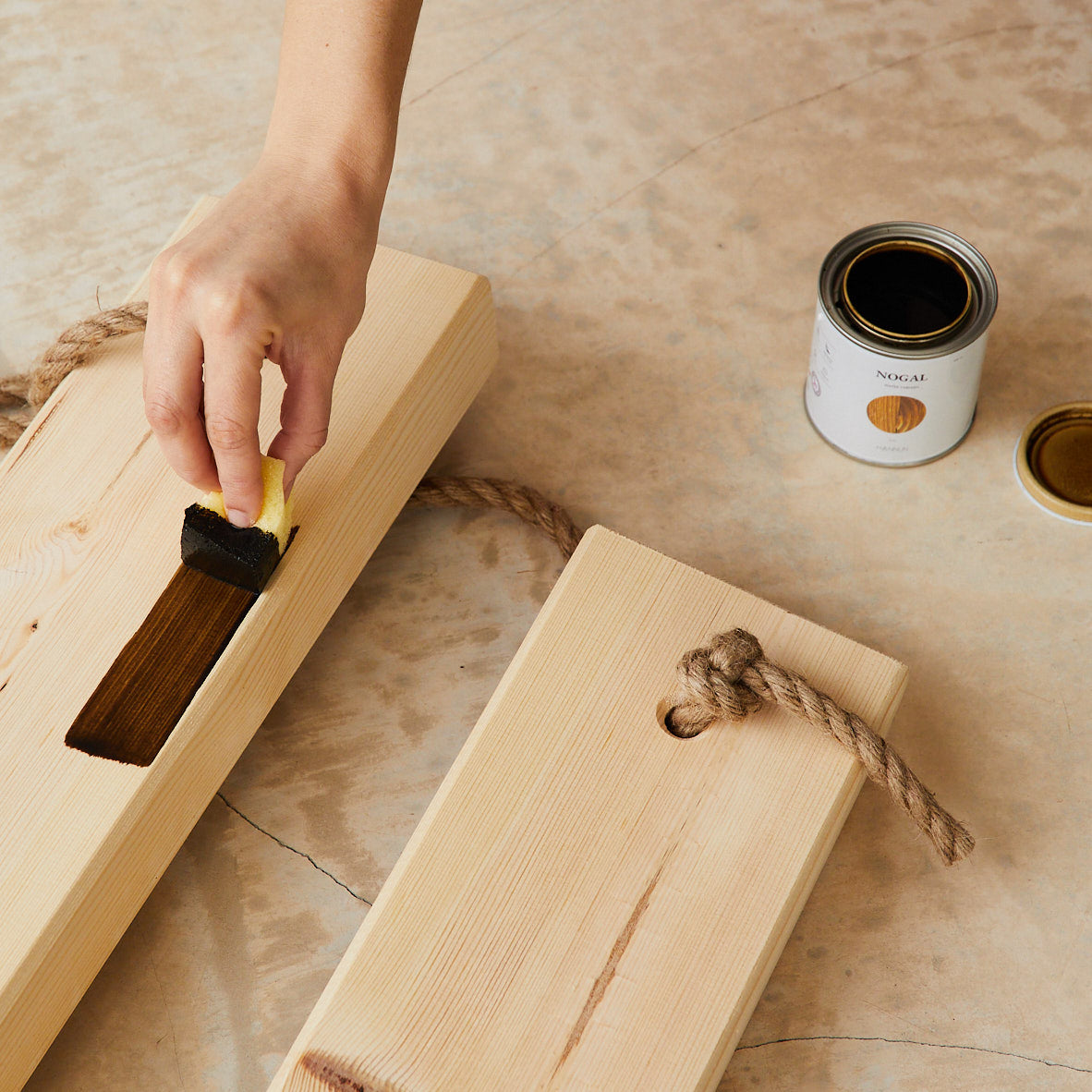
To paint a piece of wooden furniture, remove the handles and drawers and clean it thoroughly. Then sand it with medium grit (120-180) along the grain, remove the dust and apply a primer if the wood is varnished or very porous. Next, apply two thin coats of paint (water-based, chalk paint or enamel), letting it dry and sanding lightly between coats. Finish with a varnish or wax to protect it.
Upcycling furniture is one of the most sustainable ways to change your décor: you extend its life and avoid buying a new piece. It works with old chests of drawers, bedside tables, chairs or desks, and with any solid wood piece, which can be sanded and painted again and again. If, on the other hand, you're looking for a new piece that already comes in the shade you want, take a look at our wardrobes and chests of drawers in several finishes. Below is the complete step-by-step guide.
Which paint to use on wooden furniture
| Type of paint |
Finish |
Advantages |
Bear in mind |
| Chalk paint |
Matt, velvety |
Adheres well, often without thorough sanding; ideal for a distressed effect |
Needs a final coat of wax or varnish |
| Water-based acrylic |
Matt, satin or gloss |
Low odour, dries quickly, cleans up with water |
Needs good preparation |
| Enamel |
Satin or gloss |
Very resistant to wear and cleaning |
Stronger odour and slower drying if solvent-based |
| Oil or wood stain |
Natural, lets the grain show |
Enhances the wood rather than covering it |
Doesn't cover stains or change the colour much |
For indoor use and in homes with children, low-emission water-based paints are the most convenient and healthiest option.
Materials you'll need
- 120-180 grit sandpaper and 240 grit for between coats (or an orbital sander for large surfaces).
- Damp cloth or tack cloth.
- Primer or sealer, if the piece is varnished, made of resinous wood or you're painting a light colour over a dark one.
- Your chosen paint, a natural-bristle brush for mouldings and a foam roller for smooth surfaces.
- Water-based varnish or wax for the finish.
- Masking tape, gloves and plastic sheeting or cardboard to protect the floor.
How to paint furniture step by step
-
Prepare the piece: remove drawers, doors and handles. Wash with water and mild soap and let it dry completely.
-
Repair: fill holes and cracks with wood filler and let it dry. If it has scratches or dents, you'll find tips in how to repair scratches and dents in wood.
-
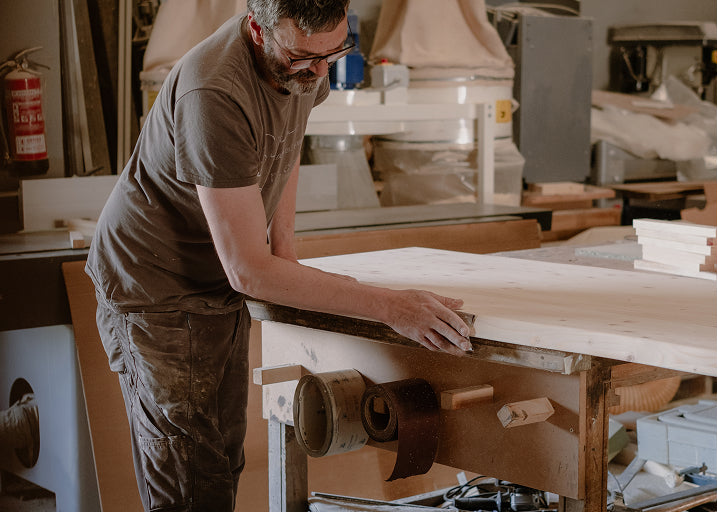
Sand: along the grain, until the varnish loses its shine. There's no need to go down to bare wood unless the old paint is peeling.
-
Remove the dust with a well-wrung damp cloth.
-
Prime if necessary and leave to dry for the time recommended by the manufacturer.
-
First coat of paint: thin and in one direction. Two thin coats are better than one thick one.
-
Sand lightly with 240 grit once dry, to remove imperfections.
-
Second coat and, if needed, a third.
-
Protect: matt or satin water-based varnish, or wax if you've used chalk paint.
-
Refit handles and drawers once everything has fully cured (usually a few days).
What if the piece has lots of layers of paint?
If the old paint is cracked or peeling, it's best to remove it with paint stripper or a sander before you start. Do this in a well-ventilated area, wearing gloves and a mask. If the layers are well adhered, a light sanding to open the pores is enough.
Ideas for painting wooden furniture
-
Two-tone: the frame in one colour and the drawers or legs in natural wood.
-
Distressed effect: chalk paint and light sanding on edges and corners, where the piece would naturally wear with use.
-
Just the inside: paint the back of a shelving unit or the inside of a wardrobe in a contrasting colour.
-
Swap the handles: wooden, leather or brass handles refresh a piece almost as much as paint does.
Painting a desk or a vintage piece
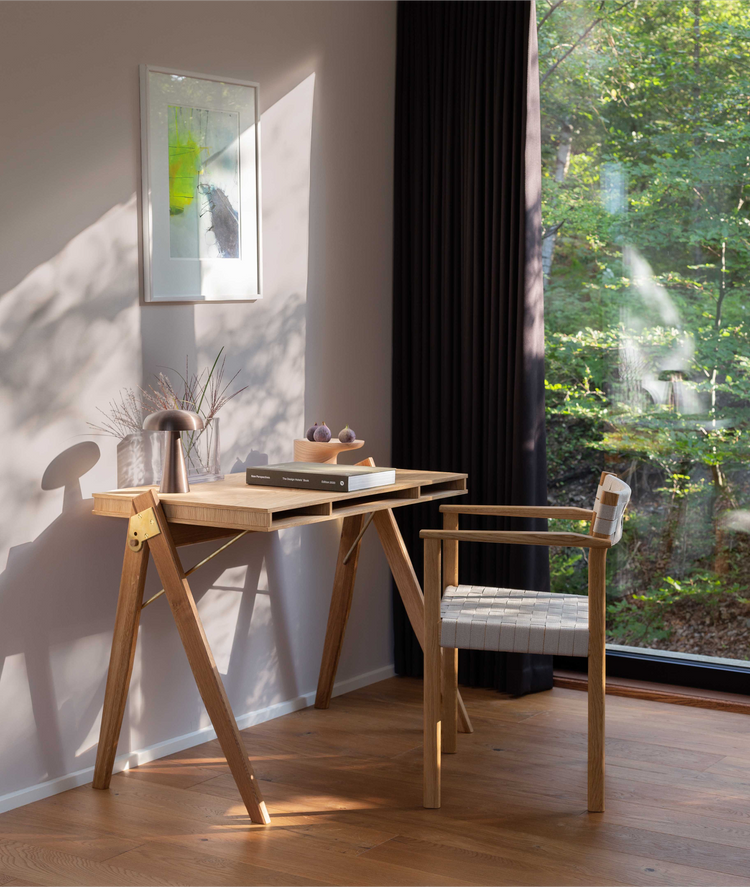
On a desk, the work surface takes a lot of wear: use enamel or protect it with two coats of hard-wearing varnish. With a quality vintage piece, consider whether it's more worthwhile to restore it (clean, repair and oil it) than to paint it: old solid wood often has a beautiful grain.
Colours that work on painted furniture
-
Off-white or bone: bright and easy to pair; ideal for bedrooms.
-
Sage or olive green: natural and very on-trend for chests of drawers and sideboards.
-
Terracotta or clay: warm, for a statement piece.
-
Greyish blue or ink: elegant on desks and bookcases.
-
Black or charcoal grey: for chairs or bedside tables with a contemporary feel.
If you'd rather choose a natural wood finish instead of painting, we explain the available finishes in our finishes guide, and which wood is best for each piece in types of wood.

Hannun finishes palette
Solid wood furniture to upcycle or enjoy as new
Solid wood is the material that best accepts changes over the years: it can be sanded, painted or oiled as many times as you like. These are some pieces where a change of finish transforms the bedroom or living room. You'll find more options in bedside tables and desks.

Marnie 3-drawer chest of drawers

Carole bedside table

Krasna desk
Frequently asked questions
Do you have to sand furniture before painting it?
Almost always, at least a light sanding to remove the shine so the paint adheres. With chalk paint, a thorough clean is sometimes enough, but sanding improves the result.
What's the best paint for wooden furniture?
For indoors, a water-based paint (acrylic or chalk paint) is the most convenient and has the least odour. If the piece will get heavy use, enamel or a good final varnish will make it more hard-wearing.
How many coats of paint does furniture need?
Usually two thin coats, with a light sanding in between. If you're painting a light colour over dark wood, you may need a primer and a third coat.
Can you paint varnished furniture without sanding?
It's possible with specific bonding primers, but the result lasts longer if you sand lightly to open the pores before priming.
How long should you wait before using freshly painted furniture?
It's usually touch-dry within a few hours, but the paint takes several days to cure fully. Avoid placing heavy objects on it or cleaning it with products during the first week.


 and how does it work?





Igor storage headboard
Integrated bookshelf, beds 90, 135, 150, and 180 cm179,90 €Sale price From 159,90 €Deldel Storage Bed
Solid pine wood. For beds of 135, 150, and 180 cm949,00 €Sale price From 899,00 €Kora dining table
160 / 180 / 200 cm899,00 €Sale price From 799,00 €Marnie Headboard
Natural raffia mesh, beds 90, 135, 150, and 180 cm149,90 €Sale price From 129,90 €Luna Sofa Bed
Sofa bed made of natural linen and cotton fabric / 247 cm1.199,00 €Sale price 1.099,00 €Tatami Bed Ren
140 / 150 / 160 / 180 cm949,00 €Sale price From 849,00 €Queralt shelf
Irregular edge front. 60 or 120 cm long67,99 €Sale price From 59,99 €Nia Chair
Solid teak wood and rope239,90 €Sale price 209,90 €Aloma modular shelving
Sustainable pine wood. 4 movable shelves219,90 €Sale price 179,90 €Lira dresser
Solid teak wood and rope, four drawers899,00 €Sale price 829,00 €Neo sideboard
Solid teak wood1.299,00 €Sale price 1.149,00 €Nala Headboard
Solid wood, beds 90, 135, 150, and 180 cm119,90 €Sale price From 109,90 €Tosca Extendable Dining Table
120 cm · Extends to 160 cm899,00 €Sale price 799,00 €TV Stand Ciro
Solid teak wood849,00 €Sale price 749,00 €Headboard with storage Cédric
Solid pine wood headboard 100 cm / 145 cm / 160 cm / 190 cm249,90 €Sale price From 219,90 €Biel Desk
118 cm499,90 €Sale price 449,00 €Ilor TV Unit
Oak and rattan699,00 €Sale price 649,00 €Sile Bookcase
128 cm599,00 €Sale price 549,00 €Teva Sideboard
Oak and rattan999,00 €Sale price 899,00 €Palmira lift-up coffee table
Pine wood with rounded corners. 100 x 42 x 70 cm349,90 €Sale price 299,90 €Codos Desk
100 cm369,90 €Sale price 319,90 €Dune upholstered storage bed
140 /160 / 180 cm899,00 €Sale price From 809,00 €Kivo Bookcase
128 cm399,90 €Sale price 349,90 €Elia Bed
160 cm1.199,00 €Sale price 1.099,00 €Margot Extendable Dining Table
180 cm · Extendable to 220 cm1.099,00 €Sale price 999,00 €Carole bedside table
Solid pine wood bedside table 41.5 x 50 x 31.5159,90 €Sale price 139,90 €Maru hallway bench / shoe cabinet
Solid teak wood649,00 €Sale price 549,00 €Marnie chest of drawers (4 drawers)
With natural raffia mesh. 86 x 92 x 44 cm809,00 €Sale price 649,00 €Ateca Desk
128 cm349,90 €Sale price 299,90 €Upholstered chair Sena
Solid beech wood229,90 €Sale price 209,90 €Marnie Bedside Table
35 x 50 cm149,90 €Sale price 129,90 €Maia Dining Table
140/160/180/200/220 cm599,00 €Sale price From 499,90 €Tera TV stand
Solid teak wood749,00 €Sale price 649,00 €Rayons headboard
Solid pine wood headboard 100 cm / 145 cm / 160 cm / 190 cm189,90 €Sale price From 159,90 €Arnau chaise longue sofa
3-seater with chaise lounge in recycled polyester fabric 240 cm / 260 cm1.649,00 €Sale price From 1.449,00 €Anhelí Double Tatami
Reclaimed pine wood. For beds of 135, 150, and 180 cm879,00 €Sale price From 699,00 €Dining table Dina
140 / 160 / 180 / 200 / 220 cm899,00 €Sale price From 779,00 €Raizo TV unit
Solid teak wood799,00 €Sale price 699,00 €Nest upholstered headboard
140 /160 / 180 cm299,90 €Sale price From 279,90 €Clay upholstered headboard
140 /160 / 180 cm229,90 €Sale price From 209,90 €Odelia Dining Table
140/160/180/200/220 cm719,00 €Sale price From 609,00 €Kael sideboard
Solid teak wood599,00 €Sale price 499,90 €Numa dining table
160 / 180 / 200 / 220 cm689,00 €Sale price From 549,00 €Dera Bed
140 / 160 / 180 cm899,00 €Sale price From 799,00 €Dena Mirror
90 / 150 cm199,90 €Sale price From 169,90 €Chair Sena
Solid beech wood219,90 €Sale price 199,90 €Nodo Modular Shelf
50 x 27 x 36 cm67,99 €Sale price 59,99 €Haydé shoe rack sideboard
Doors with rattan mesh. 80, 100, or 120 cm479,90 €Sale price From 429,90 €Bobbie floating bedside table
40 cm44,99 €Sale price 37,99 €Carole two-drawer bedside table
Solid pine wood bedside table 41.5 x 50 x 31.5199,90 €Sale price 159,90 €